Battersea Power Station carpet cleaning for residents
Posted on 04/07/2026
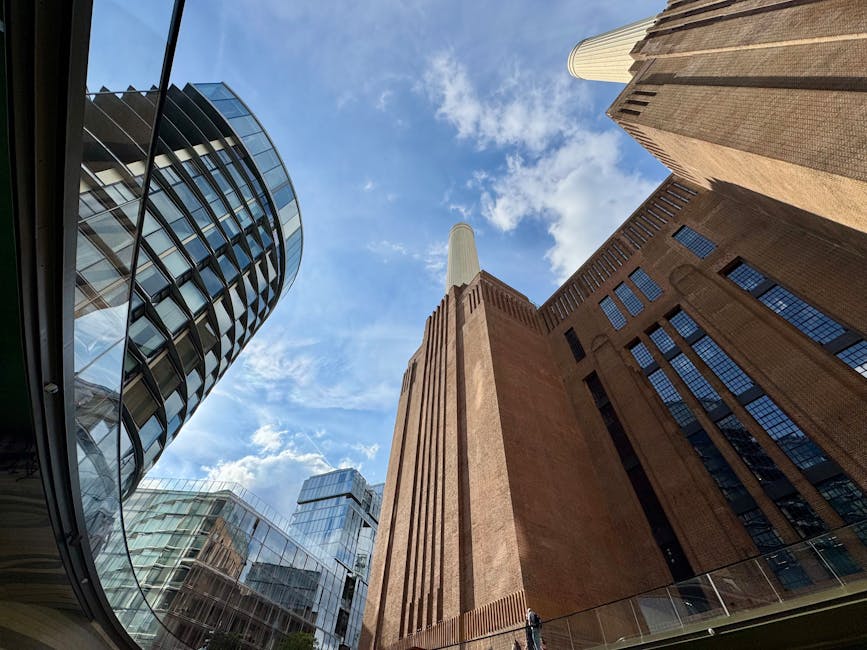
Battersea Power Station Carpet Cleaning for Residents: a practical guide to cleaner, fresher homes
If you live in or around Battersea Power Station, you already know the place has its own rhythm: polished finishes, busy lifts, foot traffic from the river paths, and a steady stream of daily life coming in on shoes, prams, shopping bags, and the occasional muddy winter coat. That is exactly why Battersea Power Station carpet cleaning for residents is more than a nice-to-have. It helps keep carpets looking good, smelling clean, and lasting longer in homes where dust, grit, and spillages build up faster than people expect.
This guide breaks down what carpet cleaning means for local residents, how the process works, what to look for, and how to avoid the common mistakes that can leave carpets damp, patchy, or quickly dirty again. Whether you are dealing with a single stain, post-renovation dust, family mess, or just that dull, tired look under the sofa, you will find something useful here. And yes, carpets can hide a surprising amount of life in them. Sometimes a bit too much life.
Why Battersea Power Station carpet cleaning for residents Matters
Living at Battersea Power Station often means a modern apartment, a clean-lined interior, and a lifestyle that can be surprisingly hard on carpets. Open-plan living spaces look beautiful, but they also show dirt quickly. A few crumbs near the kitchen island, fine dust from busy roads, and the tiny abrasive particles that get tracked in on footwear can settle into fibres before you notice.
That is why regular carpet care matters here in a very practical way. It is not just about appearances. It is also about comfort, indoor air quality, and protecting your flooring investment. In a flat where the living room, hallway, and bedrooms may all get meaningful daily use, carpet cleaning helps stop a small issue from becoming a stubborn one.
Residents also tend to have different carpet needs depending on lifestyle. A home office, a pet-friendly flat, a young family, or a rental apartment between tenancies all call for slightly different approaches. One person needs stain removal after the odd coffee accident. Another needs deeper cleaning after months of traffic and city dust. The point is simple: the right clean is never just cosmetic.
Expert summary: in modern Battersea homes, carpet cleaning works best when it is planned around actual use, not just a calendar date. A hallway that sees constant traffic will need more attention than a guest room that is barely used.
If you are already thinking about broader upkeep for the property, it can help to look at related services too. For some homes, domestic cleaning support or house cleaning for regular maintenance sits naturally alongside carpet care. And if you want to understand the service landscape a bit better, the services overview gives useful context.
How Battersea Power Station carpet cleaning for residents Works
Most residents want a straightforward answer here: what actually happens during a proper carpet clean? In plain English, a professional clean usually starts with inspection, then pre-treatment, then extraction or agitation, followed by drying and a final check. That sounds tidy on paper. In reality, the details matter a lot.
1) Inspection and fibre identification
A good clean begins by looking at the carpet type, the pile, the level of soiling, and any visible stains. Wool blends, synthetic carpets, loop piles, and delicate textures all behave differently. A cleaning method that works well on a sturdy hallway carpet may be too aggressive for a softer bedroom finish.
This is where experience matters. You do not want a one-size-fits-all approach, because that is how pile distortion, colour loss, and over-wetting problems start. A quick visual inspection can also reveal whether there are signs of previous DIY treatment, such as detergent residue or stubborn patch marks. Those little clues can change the whole approach.
2) Vacuuming and dry soil removal
Before any wet cleaning starts, loose debris should be removed. This is a bigger deal than many people think. Fine dust and grit act like sandpaper over time, especially in busy flats with busy routines. Thorough vacuuming helps the deeper clean work properly instead of turning surface dust into slurry. Not glamorous, but necessary.
3) Pre-treatment for spots and traffic lanes
Stains and high-traffic zones often need a pre-spray or spot treatment. Think of the area by the sofa, the route from the entrance to the kitchen, or the strip beside the bed where feet naturally land. In apartments, these patterns are usually obvious once someone points them out, and then you cannot unsee them.
Different soils need different attention. Food grease, drink spills, pet marks, and general body oil all respond differently. That is why good cleaning is part science, part judgement, and a little bit of patience.
4) Deep cleaning method
The main clean is often hot water extraction, sometimes called steam cleaning, though it does not always use pure steam in the literal sense. This method injects water and solution into the fibres and then extracts the loosened dirt. Done correctly, it can leave carpets looking much fresher without over-soaking them. Dry compound cleaning or low-moisture methods may be better in some settings, especially where drying time needs to be shorter.
For residents in modern apartment blocks, this stage should be handled carefully. Shared corridors, lift access, and nearby finishes mean there is no room for messy shortcuts. Good operators plan the work so your flat is left neat, not half-wet and slightly chaotic for the rest of the day.
5) Drying and finishing
Once the fibres are cleaned, drying becomes the next priority. Windows, airflow, indoor heating, and the carpet's thickness all affect this. The goal is to leave the carpet clean and properly dry, not simply "less wet than before". Slightly damp is fine for a short time; soggy is not.
It is worth asking how long a room may need before normal use. If you live in a compact apartment, planning around drying time can save a lot of annoyance. Nobody wants to tiptoe around the lounge for six hours after lunch. Been there, not ideal.
Key Benefits and Practical Advantages
There are obvious benefits to carpet cleaning, and then there are the quieter ones. The obvious part is that carpets look better. The quieter part is that the whole home feels more settled, less stale, and easier to keep on top of.
- Better appearance: stains fade, traffic lanes look lighter, and colours often recover some of their original depth.
- Reduced odours: carpets can hold onto cooking smells, pet smells, and general indoor airiness, especially in compact living spaces.
- Improved comfort: freshly cleaned carpet feels softer underfoot and more pleasant in living areas and bedrooms.
- Longer carpet life: removing embedded grit helps reduce wear on fibres.
- Better first impression: important if you are hosting guests, preparing for a property inspection, or simply want the flat to feel looked after.
- Less visible dust build-up: while no carpet is dust-free, regular cleaning helps manage the amount that becomes obvious at floor level.
There is also a more practical benefit for people who work from home. If your desk chair is rolling over the same area every day, that carpet will compress and dull faster than the rest of the room. A proper clean does not magically restore brand-new fibres, but it can improve the overall finish and make the room feel less tired.
If your home includes delicate furnishings as well, some residents coordinate carpet care with other fabric maintenance. For example, if you have soft window dressings that collect dust, the article on safe cleaning tips for velvet drapes may be useful as part of a broader care routine.
Who This Is For and When It Makes Sense
Not every home needs the same cleaning schedule, and not every resident needs the same level of service. That sounds obvious, but it is where people often overpay or undercare for their carpets.
You are likely a good candidate if you:
- live in a high-traffic apartment or shared household
- have children or pets
- notice dull patches, dark traffic lines, or lingering smells
- have just moved in and want a fresh start
- are preparing for guests, an event, or a landlord inspection
- are nearing the end of a tenancy and want the place to look properly cared for
- have not had a deep clean for a long time, and truth be told, you can see it
It also makes sense after seasonal changes. Late winter and early spring are common times for a deeper refresh, especially after wet shoes, road salt, and months of closed windows. In summer, it might be more about general freshness before entertaining. Different timings, same goal: keep the home feeling pleasant and manageable.
For people moving into the area or deciding whether Battersea suits their lifestyle, it can be helpful to read some local context too, such as local thoughts on whether Battersea is suitable for you and buying homes in Battersea. They help frame why maintenance matters in this part of London, especially where property standards tend to be high and everyday wear shows quickly.
Step-by-Step Guidance
If you want to understand the process clearly before booking a clean, this is the simplest way to think about it.
- Walk through the rooms first. Look for stains, crushed areas, and spaces with heavy use.
- Move light furniture if possible. That gives the cleaner access to the full surface, not just the visible middle part.
- Vacuum thoroughly. This removes loose grit and makes the deeper clean more effective.
- Flag stains early. Mention coffee, wine, pet issues, makeup, or anything that has been treated before.
- Choose a suitable method. Hot water extraction, low-moisture cleaning, or a targeted spot treatment may each be appropriate depending on the carpet.
- Protect surrounding surfaces. Edges, skirting boards, and nearby furnishings should be kept in mind.
- Allow proper drying time. Ventilation helps, and so does not walking across the carpet too early.
- Do a final check. Look for remaining spots, damp areas, or marks that need attention.
A small but important detail: always ask how the cleaner handles particularly delicate or mixed-fibre carpets. If you skip that conversation, you might still get a clean carpet, but not necessarily the clean you needed. And carpets are not exactly cheap to replace, so a bit of caution pays off.
Expert Tips for Better Results
There are a few habits that make a real difference, and they are simple enough to follow.
- Vacuum more often than you think you need to. In a busy Battersea flat, once a week may not be enough for high-traffic zones.
- Treat spills quickly. Blot, do not scrub. Scrubbing tends to push the mess deeper.
- Use entrance mats wisely. They help reduce grit getting dragged across carpeted areas.
- Rotate furniture where possible. This spreads wear more evenly, especially in living rooms.
- Keep indoor humidity sensible. Very damp rooms slow down drying and can make carpets feel stale.
- Ask about residue control. Some cleaning products leave stickiness behind if overused, which can attract dirt faster.
If you are cleaning on your own between professional visits, less is usually more. A common mistake is using too much product and too much water. It feels productive in the moment, then the carpet stays damp and a little tacky. Not ideal. One homeowner once joked that their lounge smelled like "clean regret" for two days. Fair enough.
For broader home upkeep, you might also look at house cleaning support if the whole property needs a reset, or consider upholstery cleaning if the sofa has absorbed some of the same daily wear as the carpet. Matching fabrics together can make the room feel much more cohesive.

Common Mistakes to Avoid
Most carpet problems I see come from a handful of avoidable habits. Nothing dramatic. Just small things repeated over time.
- Using the wrong cleaner. A product that is fine on one fibre can damage another.
- Over-wetting the carpet. This leads to slow drying, smell, and sometimes wicking, where old soil rises back to the surface.
- Scrubbing stains hard. That can spread the stain and rough up the pile.
- Cleaning only the visible spot. Spot-only cleaning often leaves a halo effect or a mismatch with the surrounding area.
- Ignoring under-furniture zones. Dust and debris often build up there quietly.
- Walking on the carpet too soon. Footprints on damp fibres are annoying and easy to avoid.
- Assuming every stain is removable. Some marks are permanent or have already set, and honest expectations are better than promises that sound too good.
The biggest mistake, honestly, is waiting until the carpet is visibly shabby everywhere. By then, restoration is harder. Smaller, regular care usually gives better results and costs less in the long run. That is just how it goes.
Tools, Resources and Recommendations
You do not need a trolley full of gadgets to keep a carpet in decent shape, but a few sensible tools help a lot.
| Tool or resource | Best use | Why it helps |
|---|---|---|
| Quality vacuum cleaner | Weekly or more frequent maintenance | Removes grit before it settles deep into fibres |
| Microfibre cloths | Spill response | Useful for blotting without spreading liquid |
| Gentle carpet spot treatment | Small fresh stains | Can help lift marks without harsh scrubbing |
| Fan or open-window ventilation | Drying after cleaning | Helps moisture leave the carpet faster |
| Professional inspection | Unknown stains or delicate carpets | Reduces the risk of damage from guesswork |
When you are comparing services, do not only ask what method is used. Ask how they handle dwell time, extraction, drying, and spotting. Those details separate a thoughtful service from a rushed one. If you are checking options more broadly, the carpet cleaning SW8 page is a useful reference point for the service itself, while pricing and quotes can help you understand how estimates are typically approached.
Residents who like to compare service scope may also find end of tenancy cleaning relevant if they are moving out, because carpet care often becomes part of the bigger handover clean. Different need, different brief.
Law, Compliance, Standards and Best Practice
For residents, carpet cleaning is not usually a highly regulated issue in the way electrical work or structural alterations can be. Even so, best practice matters, especially in apartment buildings where shared access, safety, and property care all come into play.
A trustworthy cleaning provider should work carefully around health and safety, use suitable products for the surface, and avoid creating hazards such as slippery floors or excess moisture. In a managed building, they should also respect building rules, entry arrangements, lift use, and quiet times. That is just basic professional behaviour, really.
It is sensible to expect clear communication about:
- what cleaning method will be used
- whether the carpet type is suitable for that method
- how long drying may take
- what risks may remain, such as pre-existing stains or fibre wear
- how the property will be left at the end of the visit
If you are choosing a provider, a useful sign of professionalism is whether they are clear about safety, insurance, and terms. Pages such as insurance and safety, health and safety policy, and terms and conditions can help reassure you about the practical side of the service. You may not read every line, fair enough, but they are worth checking if you want peace of mind.
Options, Methods and Comparison
Different carpets and situations call for different approaches. There is no single magic method, despite what some marketing copy might imply.
| Method | Best for | Strengths | Limitations |
|---|---|---|---|
| Hot water extraction | General deep cleaning, traffic areas, most synthetic carpets | Strong soil removal, good for built-up grime | Needs proper drying and careful control of moisture |
| Low-moisture cleaning | Homes needing faster turnaround | Shorter drying time, useful in busy households | May be less effective on deeply embedded dirt |
| Spot treatment only | Small fresh stains | Fast and targeted | Does not refresh the whole carpet or tackle overall dullness |
| Dry compound cleaning | Delicate situations or limited drying windows | Very low moisture use | Not ideal for every carpet type or heavy soiling |
The right choice depends on how the carpet is used, how delicate it is, and how soon the room needs to be back in service. A family flat with constant footfall may benefit from a stronger deep clean. A lightly used guest room may need something gentler. Simple enough, but the nuance matters.
Case Study or Real-World Example
Here is a realistic example from the kind of situation residents often face. A two-bedroom flat near Battersea Power Station had pale carpeting in the living area and hallway. The owner noticed the entrance path had turned greyish, the dining area looked flatter than the rest, and one old drink spill had left a faint mark that kept catching the eye.
The first instinct was to treat the visible stain only. Instead, the better approach was to clean the full room and hallway together. That avoided a patchy look and made the result feel balanced. The carpet was vacuumed thoroughly, spots were pre-treated, and the main clean focused on the traffic lanes first. Drying time was managed by opening windows and keeping foot traffic off the carpet for the rest of the afternoon.
The useful lesson? Local apartment carpets often look better when the whole lived-in pattern is addressed, not just the obvious blemish. Once the full area is cleaned, the room feels calmer. You notice it when you walk in the next morning. There is a kind of quiet freshness to it, almost like the space has had a proper reset.

Practical Checklist
Use this before booking or doing the work yourself.
- Identify the carpet type if you can.
- Note any stains, odours, or wear patterns.
- Decide whether you need a full-room clean or only spot treatment.
- Ask about drying time and ventilation needs.
- Confirm what is included in the price.
- Make sure the cleaner can explain the method in plain English.
- Move fragile items and small furniture out of the way.
- Test any home product on a hidden area first.
- Avoid heavy foot traffic until the carpet is fully dry.
- Set a realistic expectation for old or permanent marks.
Key takeaway: the best result comes from matching the method to the carpet, the room, and the way you actually live. That sounds almost too simple, but it is usually where the difference lies.
Conclusion
Battersea Power Station carpet cleaning for residents is really about keeping a modern home looking and feeling like a place you want to come back to. The right clean removes more than visible dirt. It reduces that tired feeling underfoot, supports a more pleasant indoor environment, and helps your carpets last longer with less drama later on.
If you remember only one thing, make it this: start with the carpet's needs, not with a generic promise. Ask sensible questions, pay attention to drying, and avoid shortcuts. The payoff is a home that feels cleaner in a way you can actually notice, not just photograph. And that, to be fair, is what most people really want.
Get a free quote today and see how much you can save.

