Health and Safety Policy for Cleaners SW8
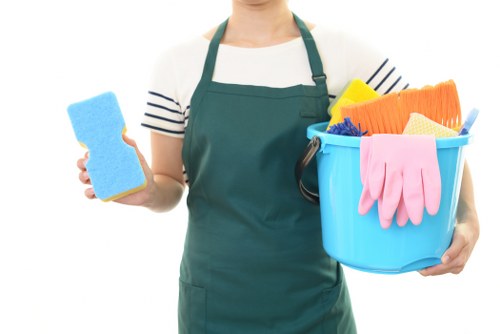 A clear health and safety policy is essential for any cleaning service in SW8, helping to protect staff, clients, and visitors while maintaining a consistent standard of work. For professional cleaners, safety is not just a formal requirement; it is part of daily practice. A well-structured approach reduces accidents, supports good working habits, and ensures that every cleaning task is carried out with care, awareness, and responsibility.
Our cleaners SW8 service is designed around safe methods, proper training, and the correct use of equipment and products. Every cleaner is expected to follow procedures that minimise risk, whether working in homes, offices, or shared spaces. This includes paying attention to surfaces, ventilation, manual handling, and the condition of tools before use. A safe cleaning environment benefits everyone and helps deliver reliable results.
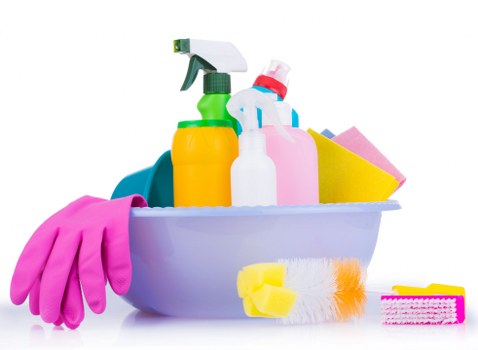 The foundation of any cleaning health and safety policy is risk awareness. Before work begins, cleaners should identify anything that could cause harm, such as wet floors, trailing cables, fragile items, or chemical spills. Common hazards are often simple to spot, but they still require attention and action. By assessing the area first, the cleaner can choose the right method and avoid unnecessary exposure to danger.
Training is a key part of safe practice. Cleaning operatives must understand how to use equipment correctly, how to handle detergents and disinfectants, and how to respond if something goes wrong. This includes recognising warning labels, following dilution instructions, and never mixing products that could release harmful fumes. Well-trained SW8 cleaners are better prepared to work efficiently while keeping risks low.
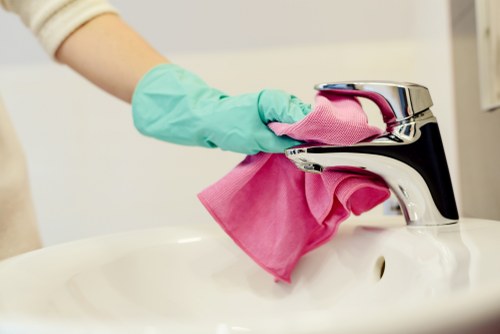
Personal protective equipment should be available and used when required. Gloves, masks, aprons, and suitable footwear can help reduce contact with irritants, contamination, and slips. In some settings, eye protection may also be needed. The exact equipment depends on the task, but the principle remains the same: the cleaner should be protected without losing freedom to complete the job properly. PPE is most effective when used consistently and maintained in good condition.
 Safe manual handling is another important area. Lifting bins, moving furniture, carrying cleaning machines, and transporting supplies can all lead to strain if done incorrectly. Cleaners should bend their knees, keep loads close to the body, and ask for help when an item is too heavy or awkward. Using a trolley or splitting work into smaller loads can prevent injury and make the work more manageable.
It is also important to keep work areas as safe as possible while cleaning is in progress. Signs should be used where floors are damp or recently treated, and equipment should never block exits or walkways. A cleaning safety policy should encourage tidiness throughout the job, with cords secured and tools stored properly when not in use. Good housekeeping reduces accidents and makes the workplace easier to move around.
Cleaning products must be stored, labelled, and used responsibly. Chemical containers should remain sealed when not in use and kept away from food, heat, and unauthorised access. Product choice should match the surface or task, because using the wrong solution can damage materials or create health risks. For professional cleaners SW8, responsible product management is part of both safety and service quality.
In the middle of the working day, attention to hygiene matters just as much as attention to hazards. Hands should be washed after contact with chemicals, waste, or potentially contaminated surfaces. Reusable cloths and mops must be cleaned properly to avoid spreading dirt or germs. A strong health and safety approach for cleaners supports not only the person doing the work, but also the people returning to the space afterwards.
Accidents and incidents should always be reported and recorded. Whether the issue is a minor cut, a spill, a broken item, or a near miss, timely reporting helps identify patterns and prevent repeat problems. A responsible SW8 cleaning service treats every incident as a chance to improve. Clear reporting procedures also help ensure that any necessary follow-up action is taken quickly.
Emergency preparedness is another essential part of the policy. Cleaners should know what to do in case of fire, chemical exposure, injury, or an unexpected evacuation. They should understand how to stop work safely, secure equipment, and leave the area without delay if required. Even simple planning can make a major difference when situations change suddenly, especially in busy or shared environments.
 The policy should also support regular review. Workplaces change, products are updated, and new risks can appear over time. For that reason, health and safety procedures should be checked periodically and improved where necessary. Cleaners who follow a consistent system are more likely to deliver careful, dependable results while protecting themselves and those around them.
Finally, safety is a shared responsibility. Managers, supervisors, and cleaning staff each have a role to play in making sure standards are maintained. Clear communication, proper equipment, and respect for procedure help create a safer working day for everyone involved. A reliable cleaners SW8 policy is not only about compliance; it is about working with confidence, professionalism, and care.
 By combining training, awareness, suitable protective measures, and sensible working habits, a health and safety policy for cleaners can support high standards across every task. Whether the work is routine or more demanding, the goal remains the same: to complete cleaning safely, efficiently, and with full consideration for wellbeing.